A cinema in Berlin. An Olympic wrestler for an uncle. A parachute over Germany.
A one-way arrival in Tainan. Fifty years, told in ten chapters.
CHAPTER ZERO · THE DARK ROOM
His father owned a cinema in Berlin that screened kung fu films.
A boy sat in those seats, night after night, and watched men move
the way he intended to move. What began in that dark room took
fifty years to complete — and is not finished.
He was born in Berlin in 1971, to a German mother who danced ballet and a Syrian
father from Damascus who wrestled. Discipline of the stage on one side, discipline
of the mat on the other. The two have never separated in him since.
The story that follows is documented — in lineage records, in military service, in
national press, in tournament results. None of it was fast. All of it was earned in
the only currency the old arts accept: years.
Nothing here is embellished. The dates hold. The names are real. The press was there.
1971 · Berlin
Two Disciplines, One Child
Born in Berlin to a German mother — a ballet dancer — and a Syrian father from
Damascus. One parent trained grace under control, the other trained
force under control. He would spend the next five decades proving they are the
same discipline.
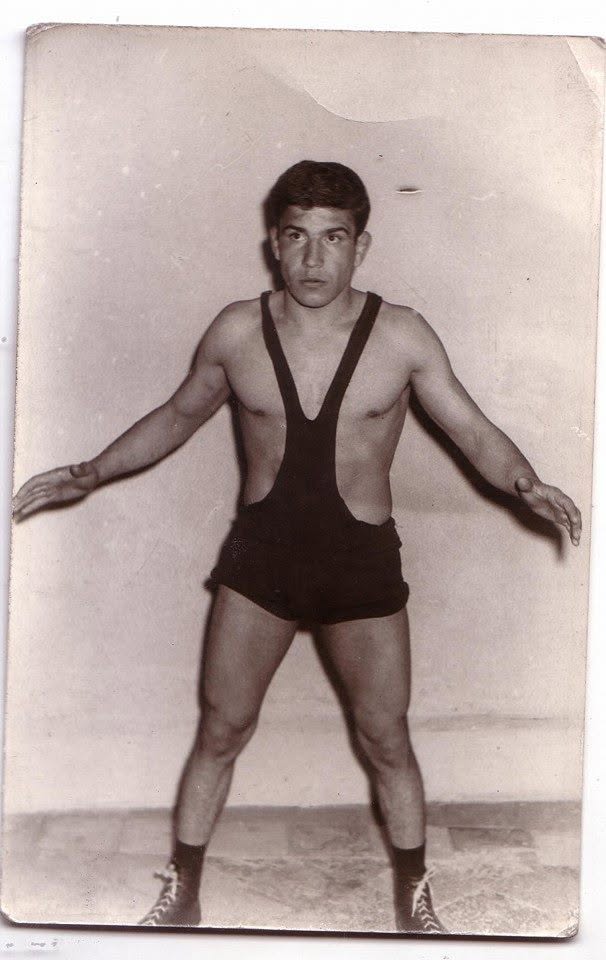
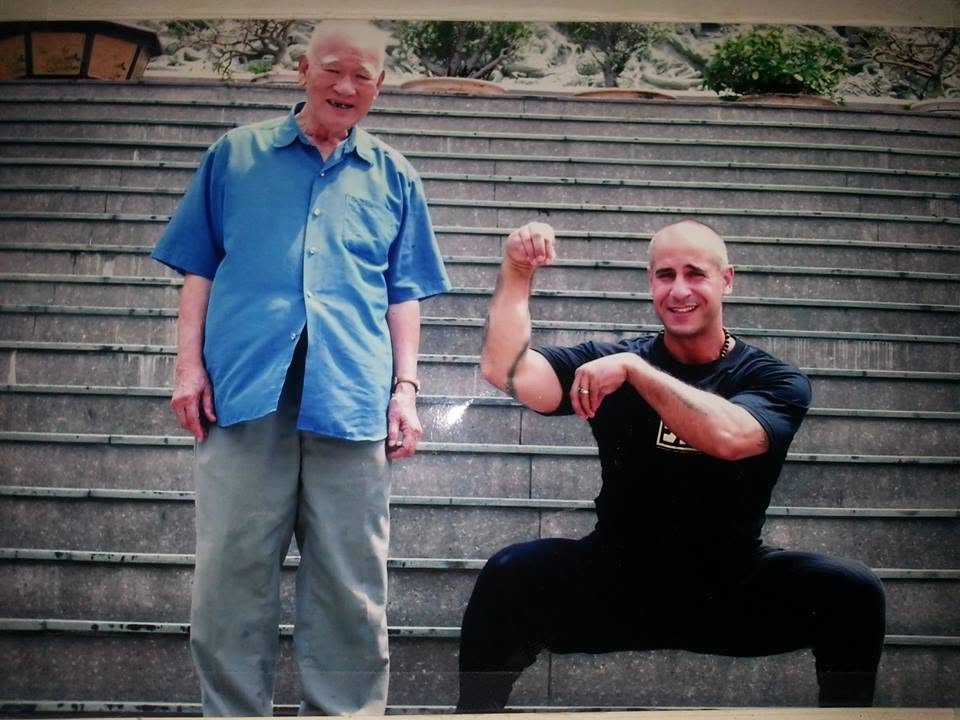
His uncle — the wrestler from Damascus. The first link in the chain.
1970s · The Cinema
The Father's Projector
His father's Berlin cinema screened Hong Kong kung fu films — the Bruce Lee and
Jackie Chan era, projected nightly. The boy watched from the seats as the East
arrived in 24 frames per second. Everything that follows begins in that room.
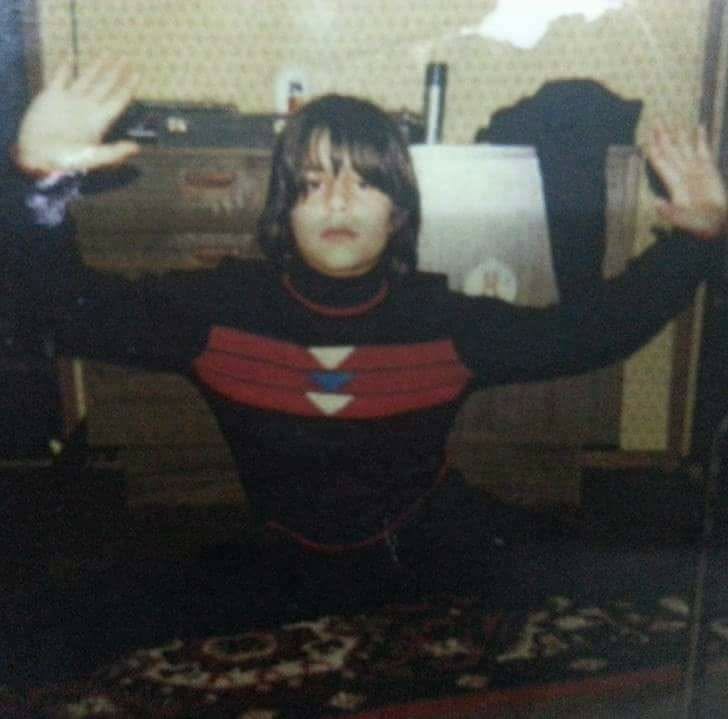
The boy who started — where the fifty years began.
~1978 · The Uncle
The First Teacher
His paternal uncle — an Olympic-level wrestler — became his first combat trainer.
No films now: falls, grips, repetitions, the unglamorous arithmetic of the mat.
The first teacher taught the lesson every later master would confirm — the body
learns by doing, and only by doing.
Teens · Berlin
The Apprenticeship
Wrestling, judo, taekwondo to black belt, karate — and four years under a Monkey
Kung Fu master in Berlin, the art that would one day carry his name. By sixteen
he was already instructing. Before twenty he was competing internationally.
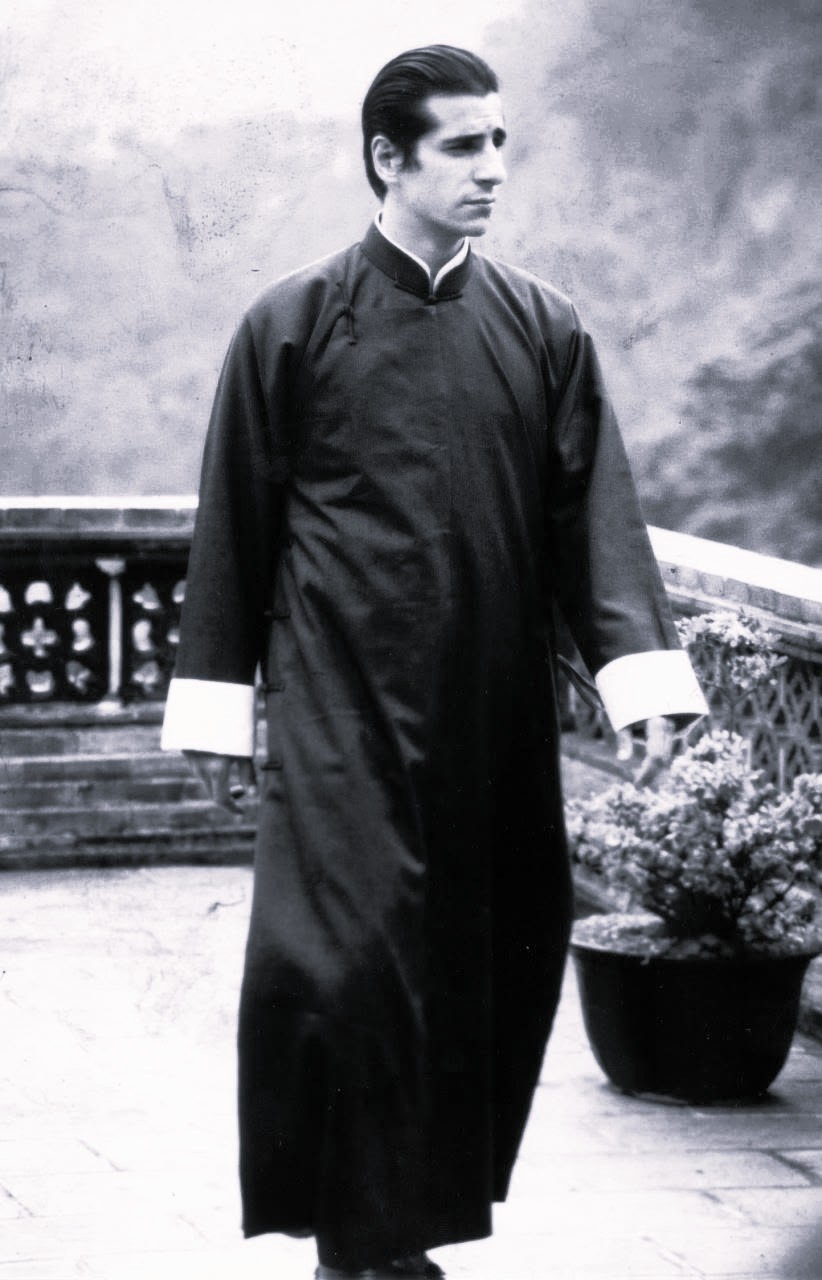
The apprenticeship years in Tainan.
1990s · Bundeswehr
The Paratrooper
German Federal Army — paratrooper. Jump training is a particular education: a door,
a decision, and no way to take it back. During his service he trained Wing Chun.
The army taught the cost of hesitation; Wing Chun taught the economy of the answer.
1996 · Tainan
The Decision
He left Germany for the heartland of traditional Chinese martial arts and arrived
in Tainan, Taiwan. He never left. He married Taiwanese, made the old capital his
home, and added Mandarin to his German, Arabic and English. Thirty years later,
Tainan is still where the work is done.
1996 – 2013 · The Master
Chen Min Lun · The Transmission
In Tainan he found Chen Min Lun — born 1921, master of Crane and Monkey, holder
of a direct Hou Quan transmission. For seventeen years, until the master's death
in 2013 at the age of 93, the future Jiang Yu Shan received the art the only way it can be received: in person, by
repetition, across decades.
2000s · Temple & Forces
The Initiation · The Marines
Shi Xing Ying of the 32nd Shaolin generation initiated him as a 33rd generation
Shaolin disciple. In the same era, Taiwan's Marine Corps Special Service Company —
the counter-terror unit — made him its combat instructor, a post he held for more
than a decade, alongside personal security for Taiwan's highest officials at the
presidential level.
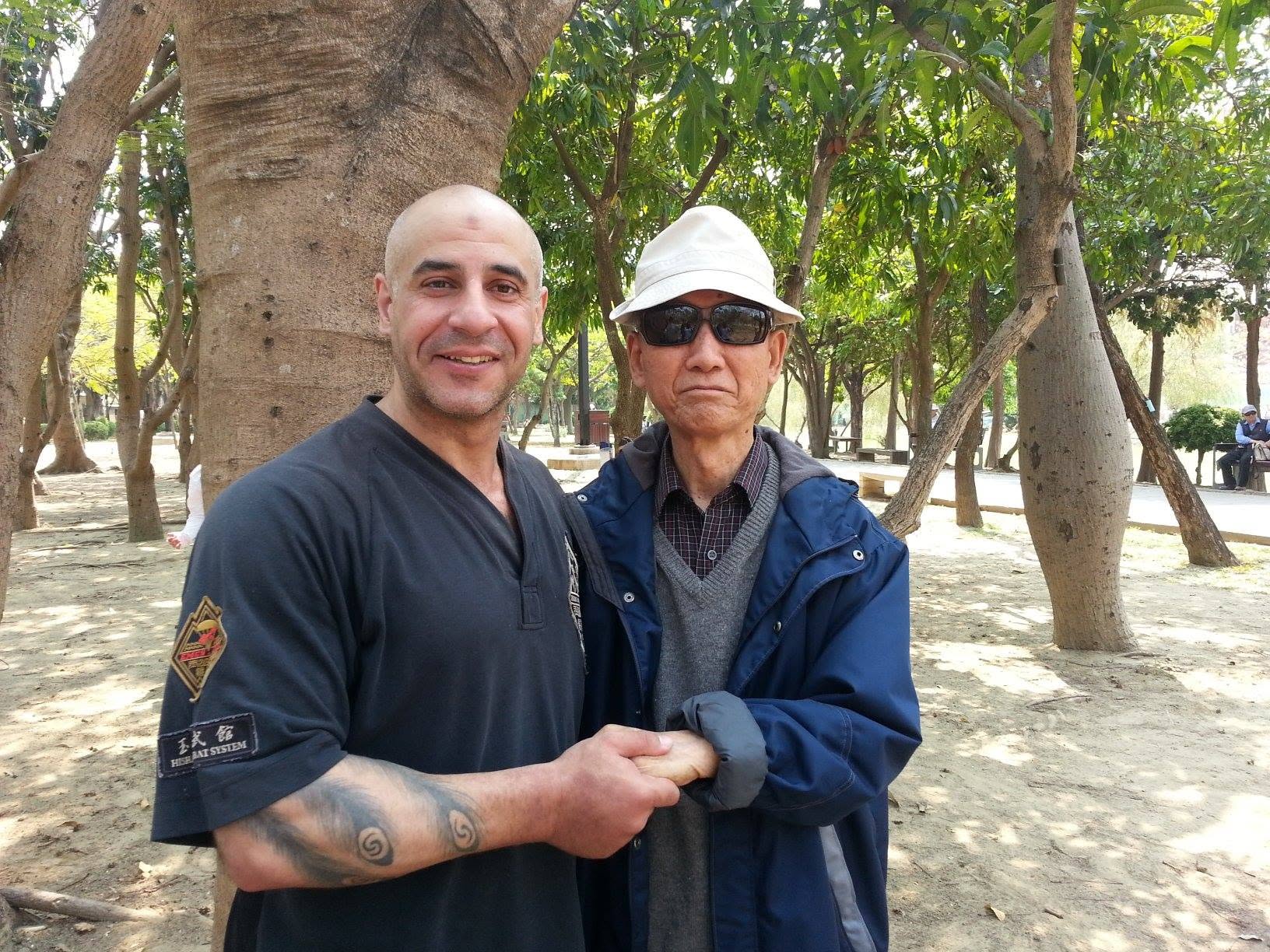
The Shaolin years — the transmission made flesh.
2007 – 2016 · The Record
The Proof
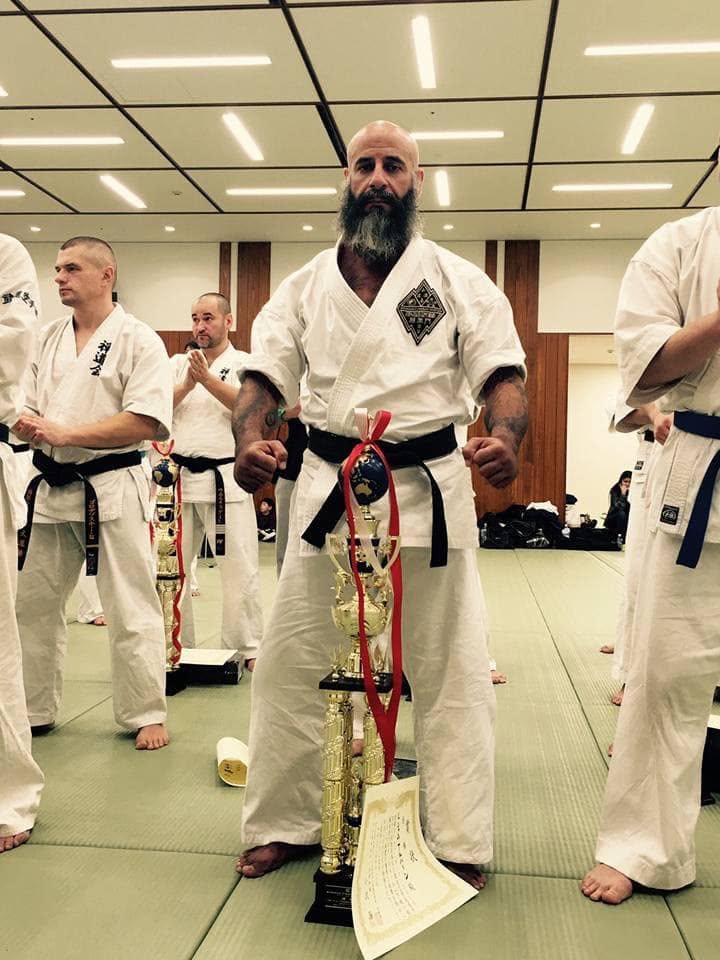
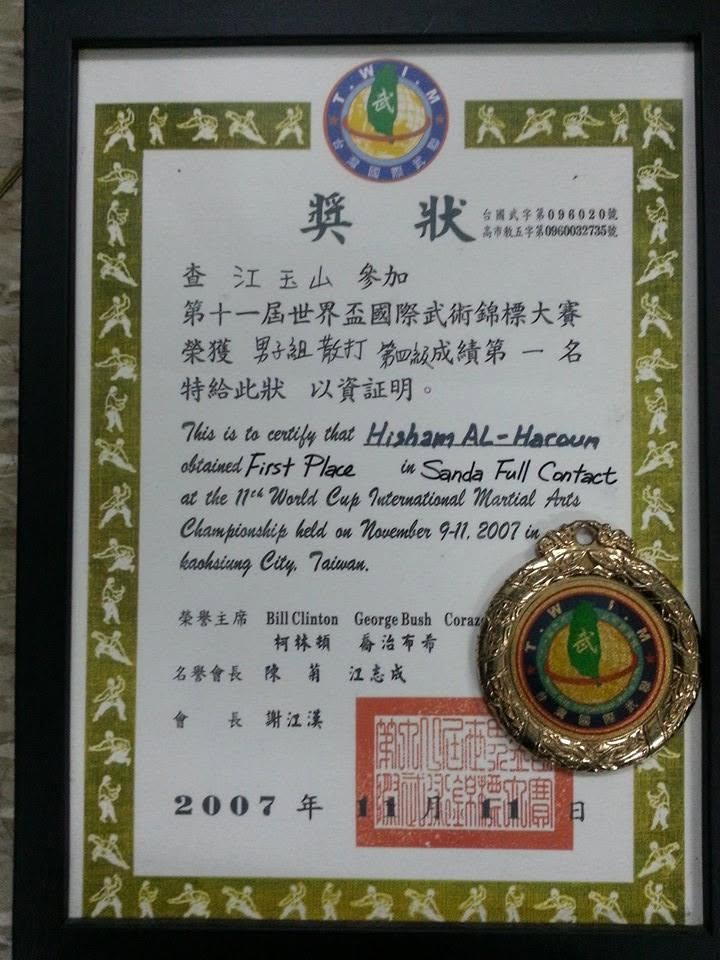
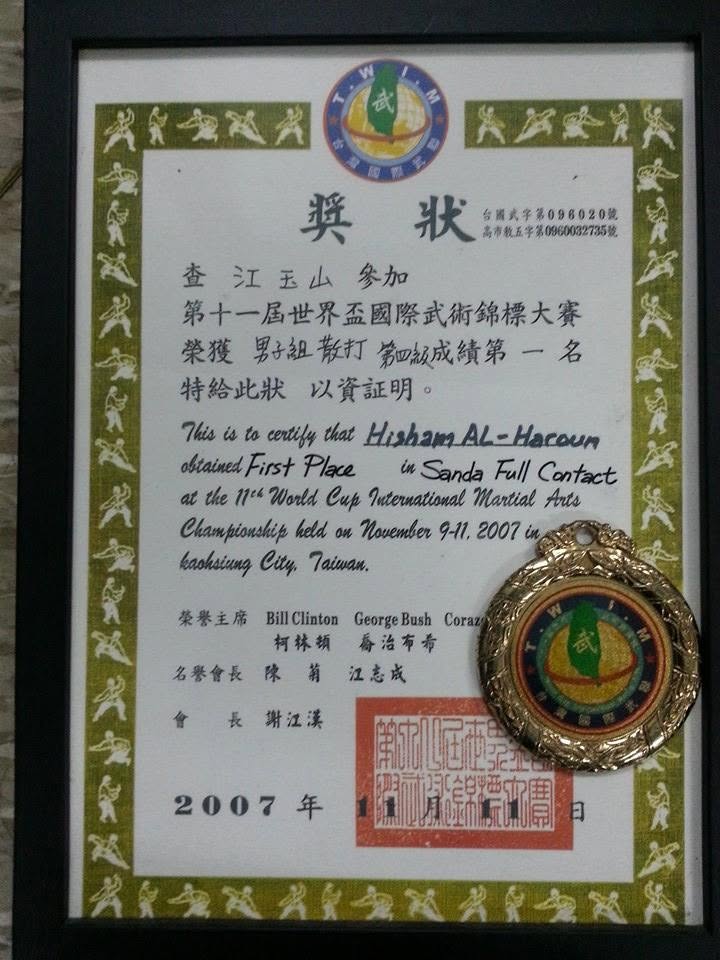
World Sanda Tournament, Kaohsiung, 2007: victory by knockout in twenty-three
seconds — reported by the Taipei Times. 2008: the Marines he coached took four
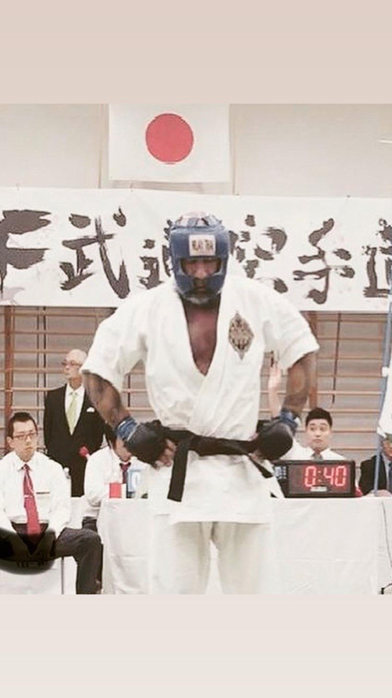
golds at the National Sanda Championship. Tokyo, 2016: All Japan MMA Karate
Champion, 80kg Masters — at forty-five.
Now · Tainan — The World
Jiang Shi Hou Quan Men
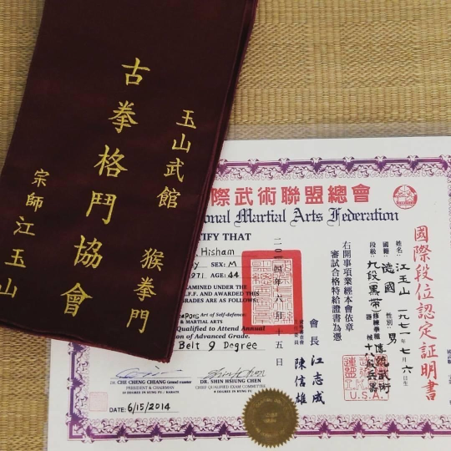
9th Dan Grandmaster of the Chinese Kung Fu Society, Republic of China. Founder of
Jiang Shi Hou Quan Men — the Jiang Family Monkey Fist Door — preserving what he
calls an endangered art. From Tainan, the transmission now travels to the people
who are ready for it, wherever they are.
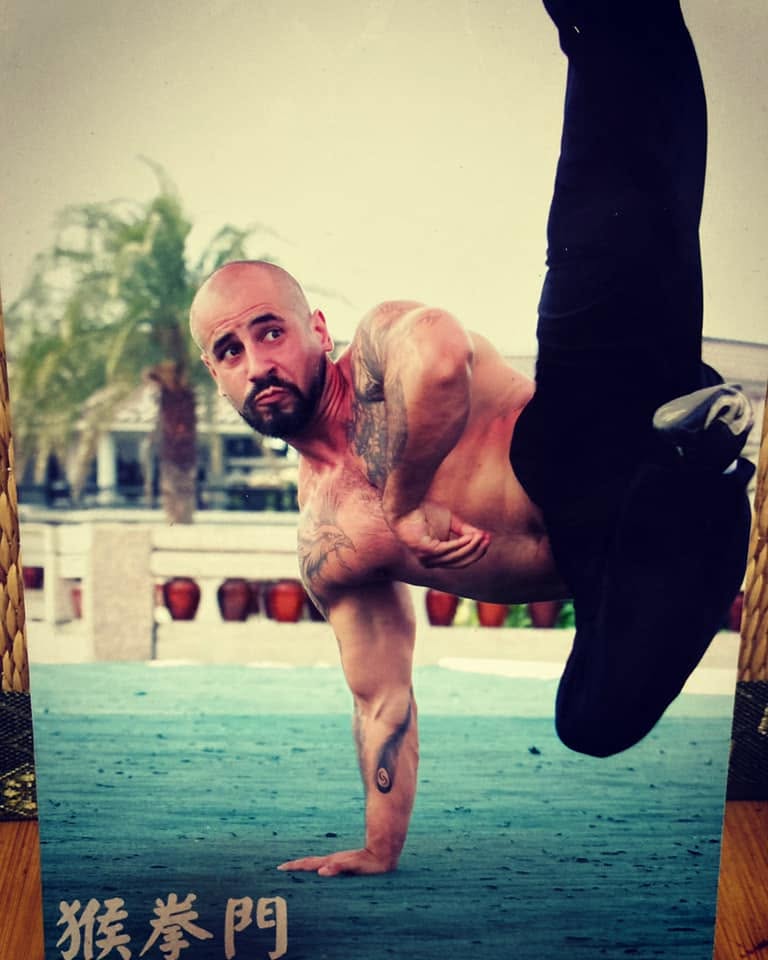
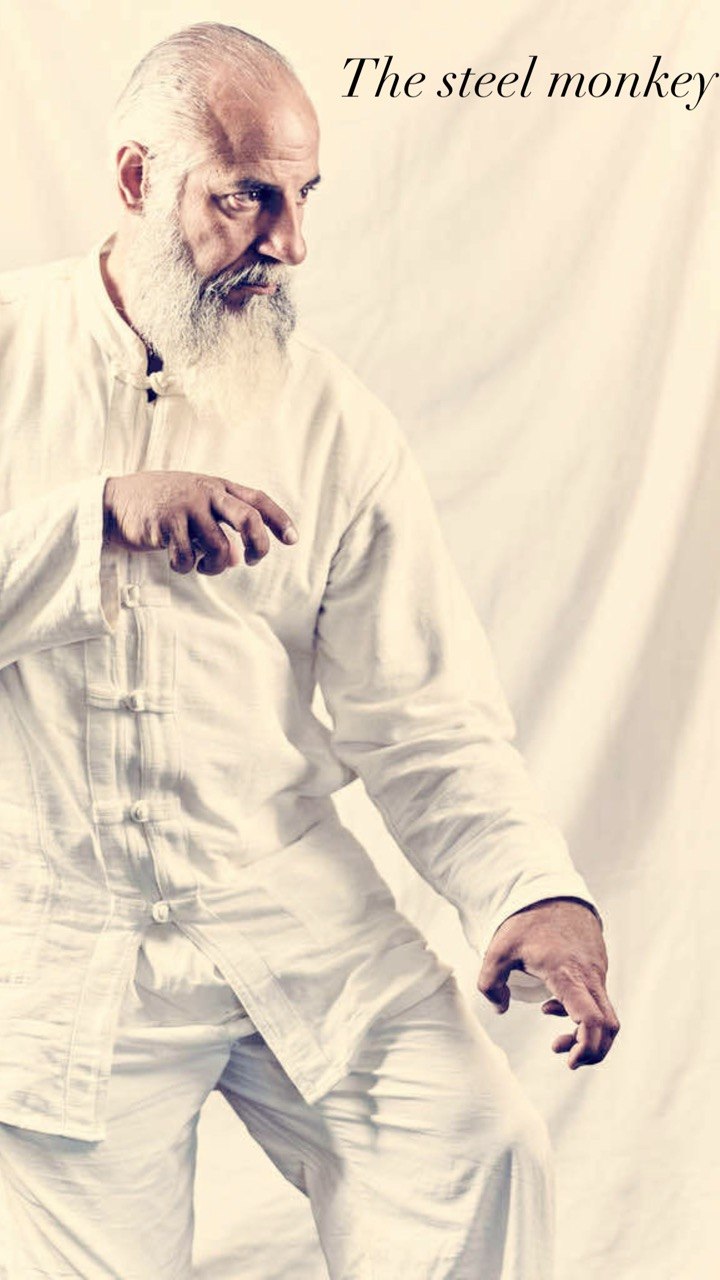
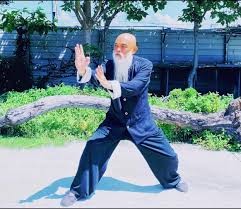
Grandmaster Jiang Yu Shan — today. More than fifty years in.
In the Chinese tradition a name of this kind is conferred by one's teachers and lineage —
a description, not a decoration. Jiang Yu Shan was given, not chosen.
Three characters. Three truths he then spent decades earning.
THE LINEAGE · FOUR MASTERS
No one arrives alone.
Everything he carries was handed to him by name. These are the hands.
1921 — 2013 · TAINAN
Chen Min Lun
Crane & Monkey Kung Fu · Hou Quan
The primary master. Holder of a direct Hou Quan transmission, he accepted the
German arrival in 1996 and taught him for seventeen years, until his death
in 2013 at the age of 93.
What the Master preserves today as Jiang Shi Hou Quan Men descends from this hand.
Direct transmission · teacher to disciple · 1996–2013
TAIWAN · WEAPONS
HeShan Fa
Wing Chun · The Long Pole
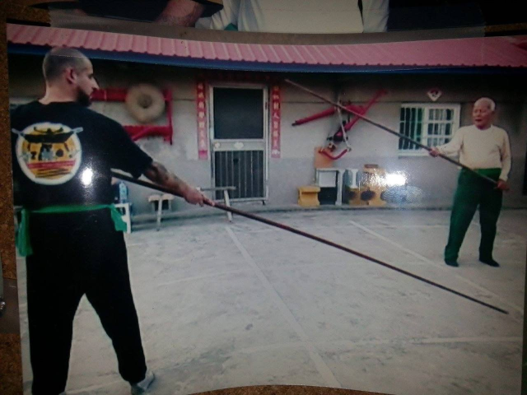
The Wing Chun that began in a Bundeswehr barracks was completed in Taiwan.
From HeShan Fa, he received the long pole — the weapon that teaches the
system's full range, and the discipline of power expressed through a single line.
Wing Chun long pole transmission
TAIWAN · INTERNAL ARTS
Chang Chi Yen
Tai Chi · Sun Lutang Lineage
Carrier of a direct line from Sun Lutang — the man who unified Tai Chi, Bagua
and Xing Yi into one internal system. Through Chang Chi Yen, his external
power acquired its internal architecture: structure, listening, stillness.
Direct Sun Lutang lineage · internal methods
SHAOLIN · 32ND GENERATION
Shi Xing Ying
Shaolin Kung Fu · Temple Lineage
A 32nd generation Shaolin master. He initiated him as a 33rd generation
Shaolin disciple — a formal entry into a named, counted line. Not a certificate:
a responsibility, recorded in the generation registers of the tradition.
Songshan Shaolin line · 32nd → 33rd generation
SEE HIM TEACH
The Pillars of Qigong
The Pillars of Qigong — The Fundamentals · Monkey Fist Door · Watch on YouTube →
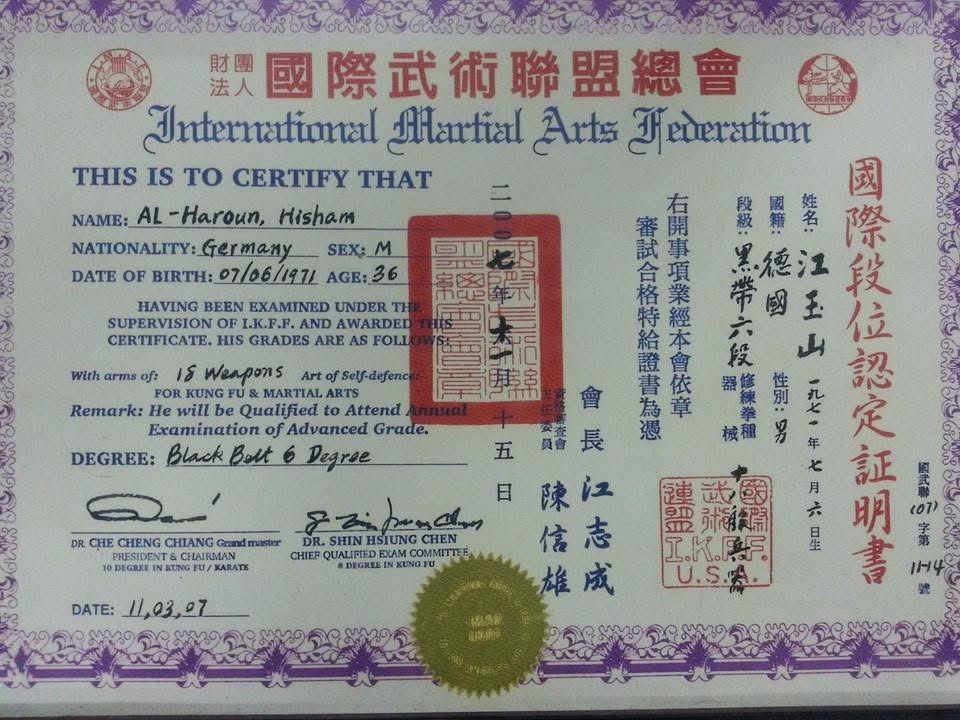
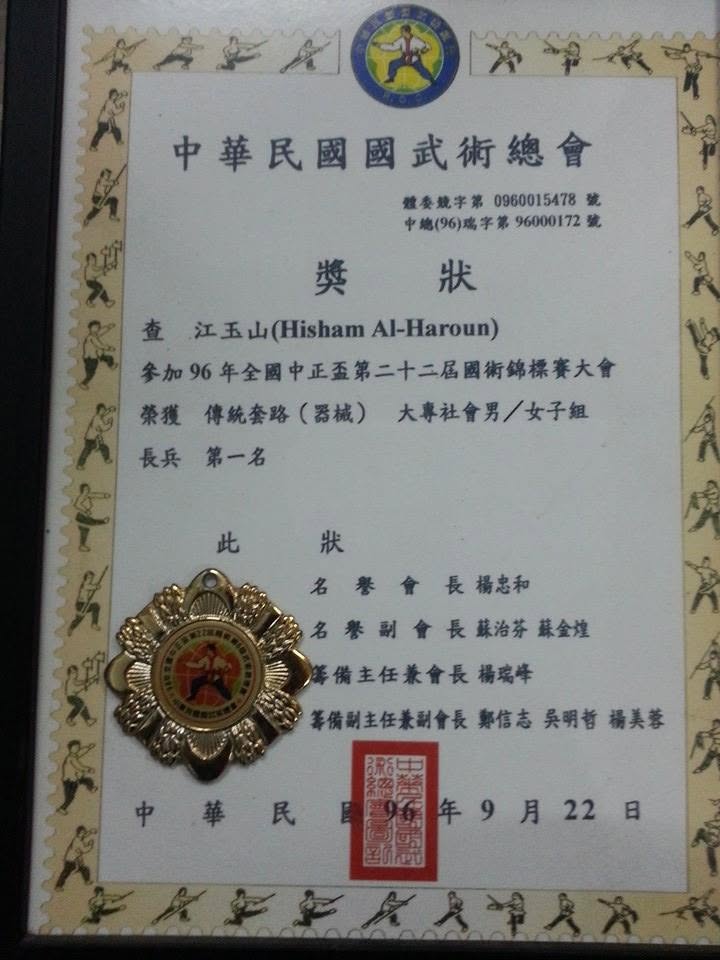
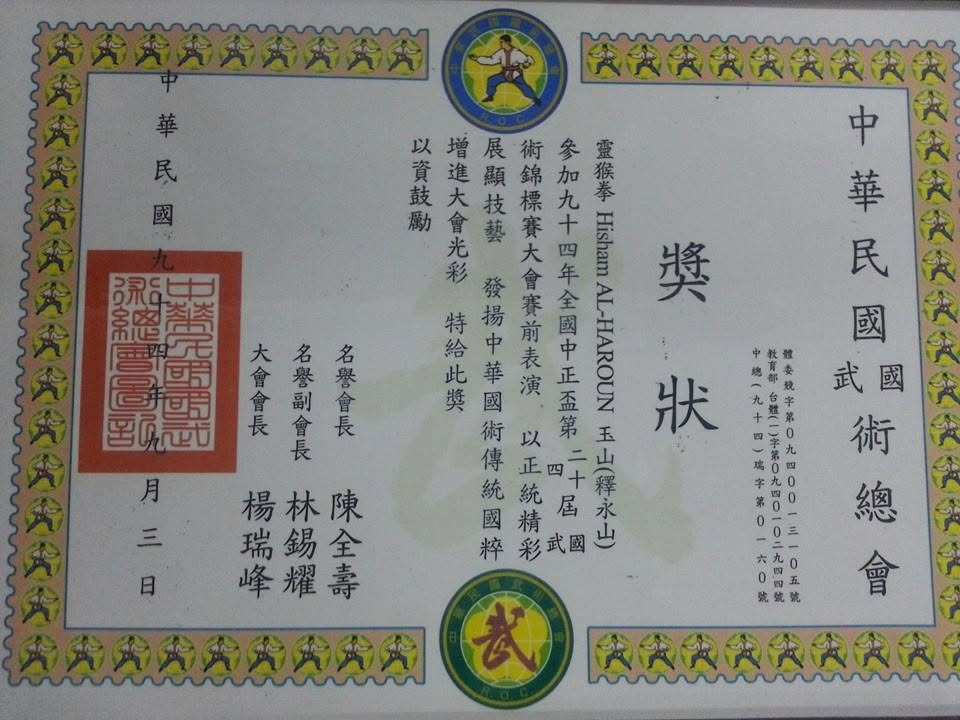
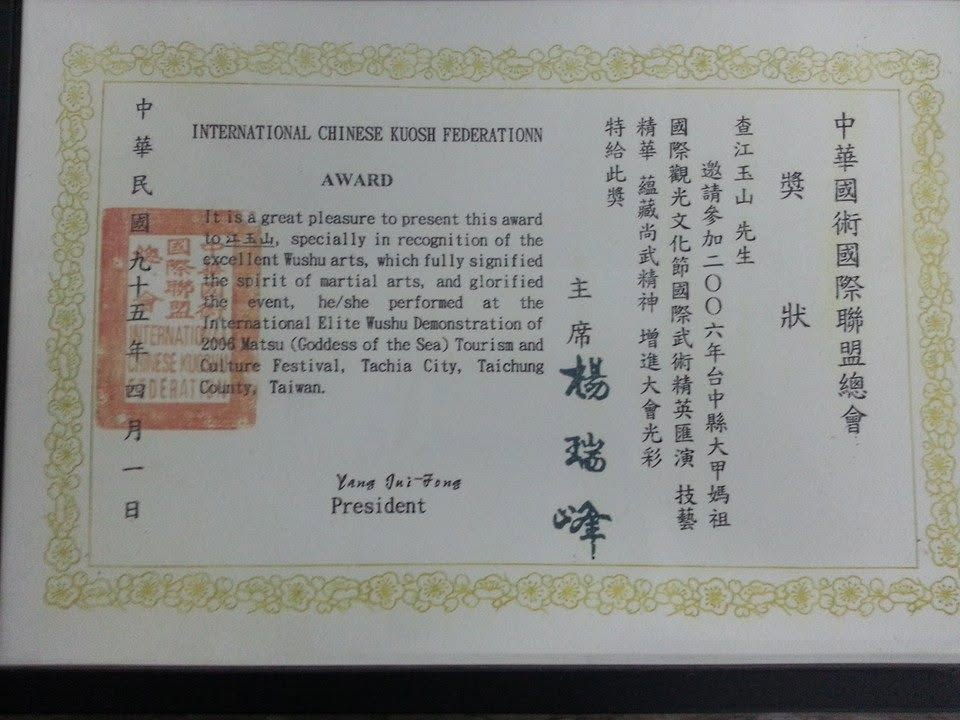
RECOGNITIONS
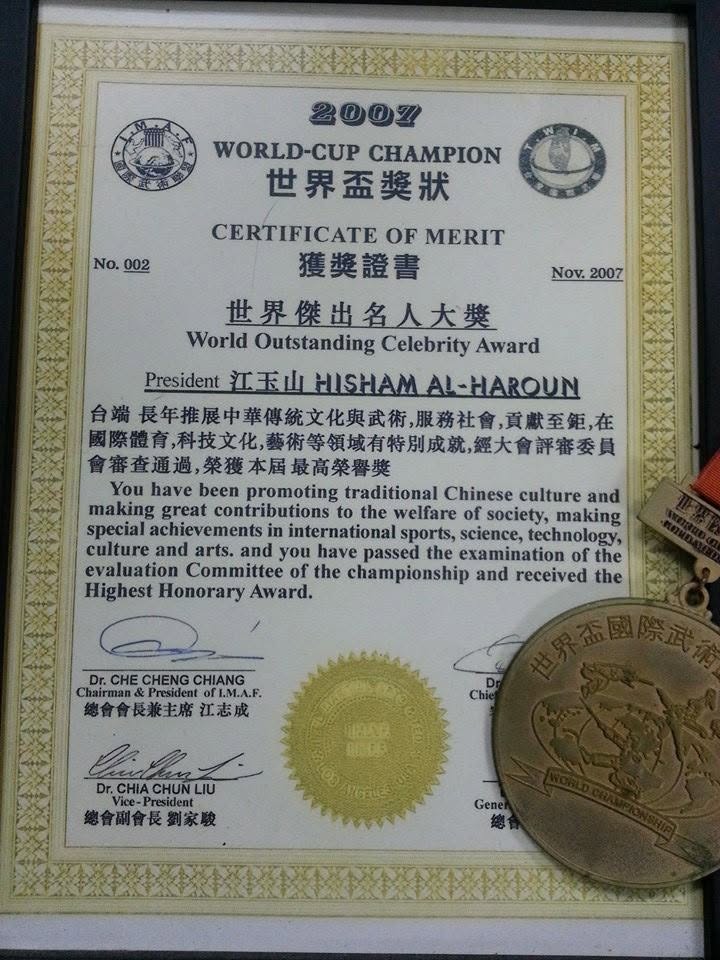
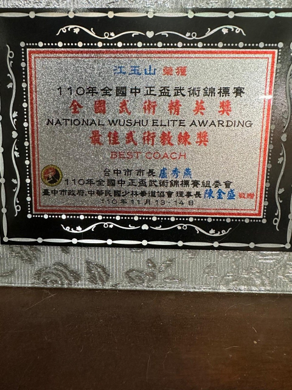
Achievements
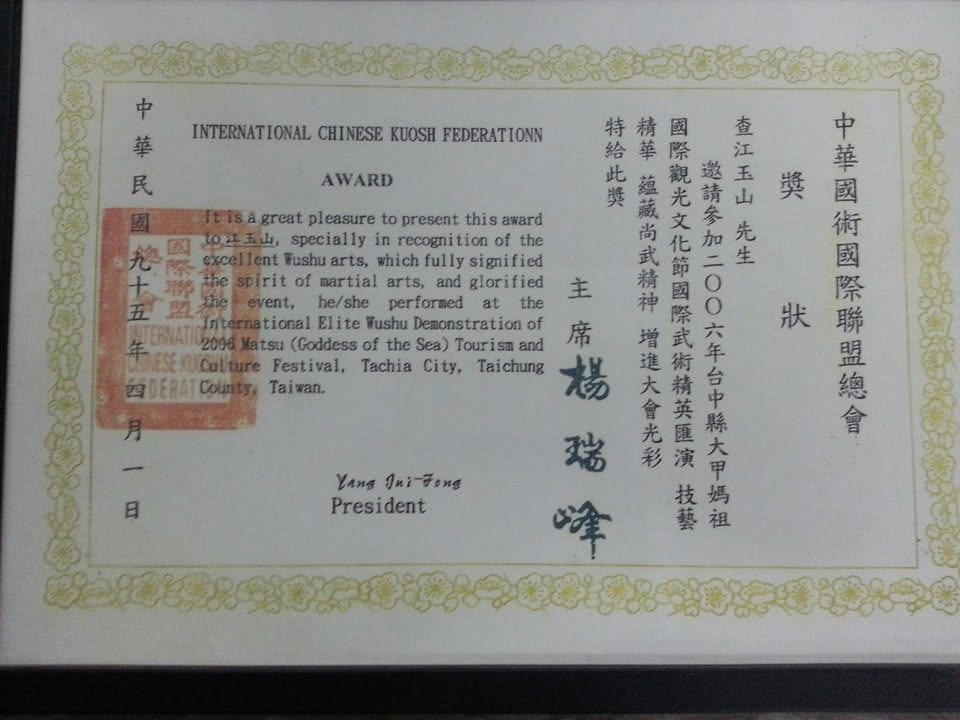
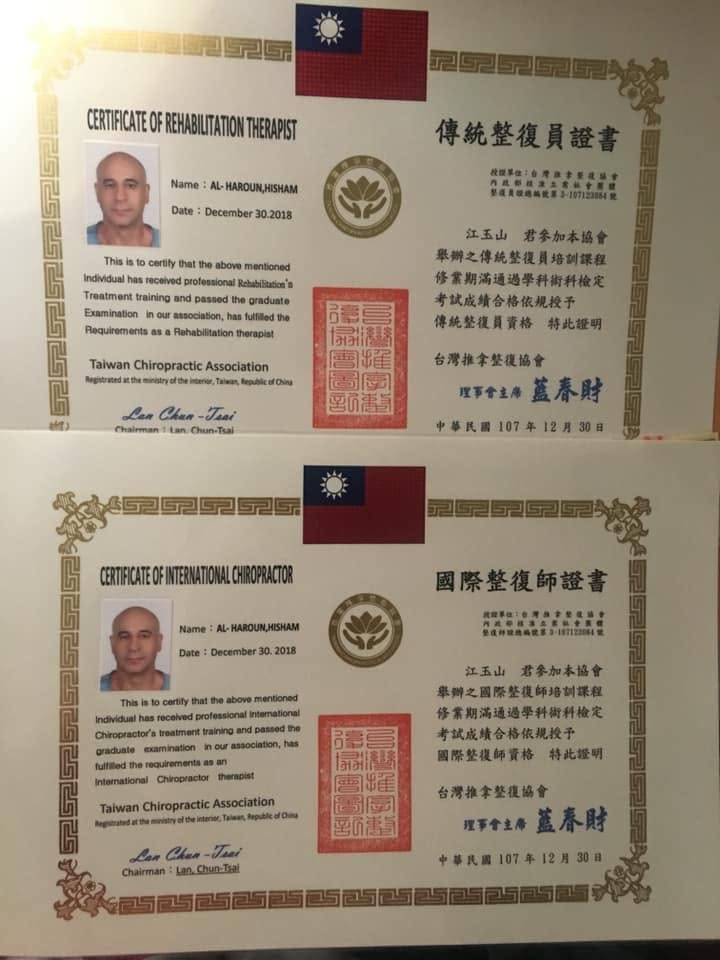
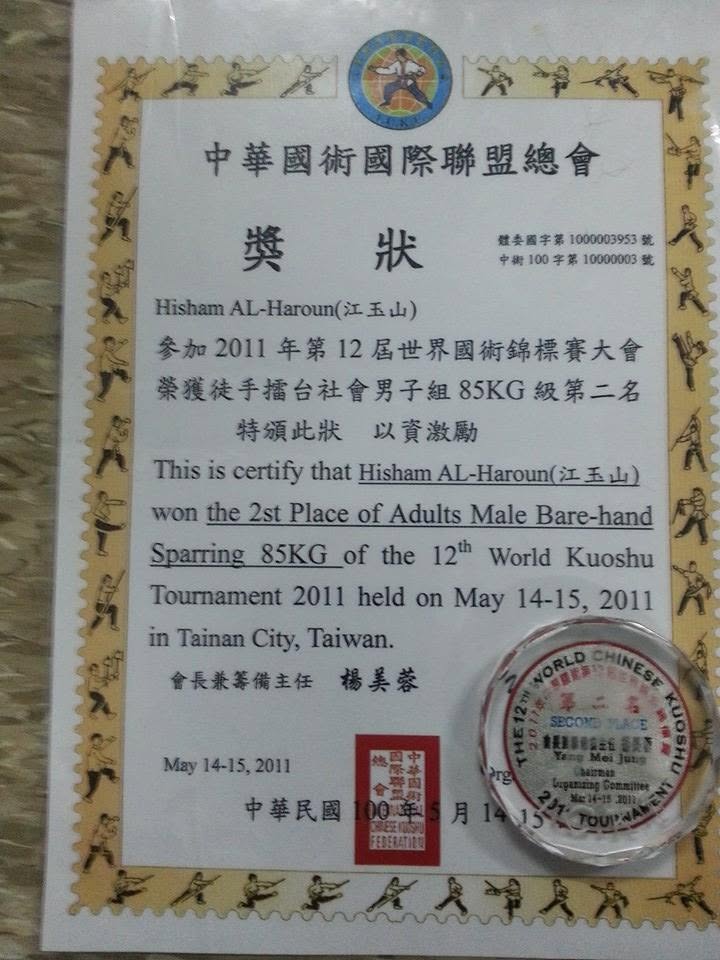
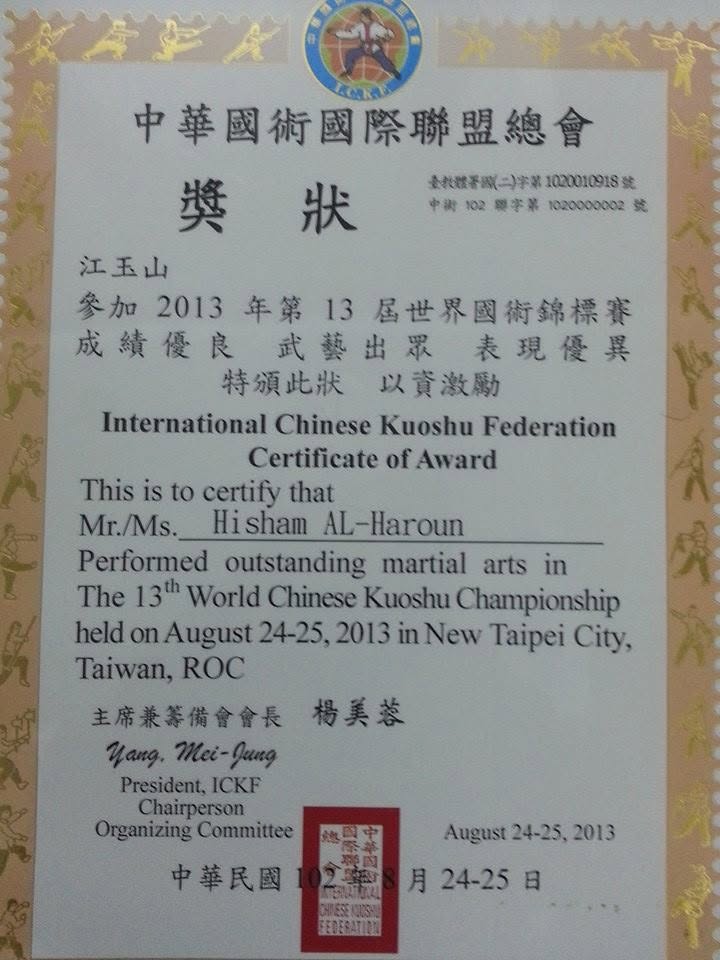
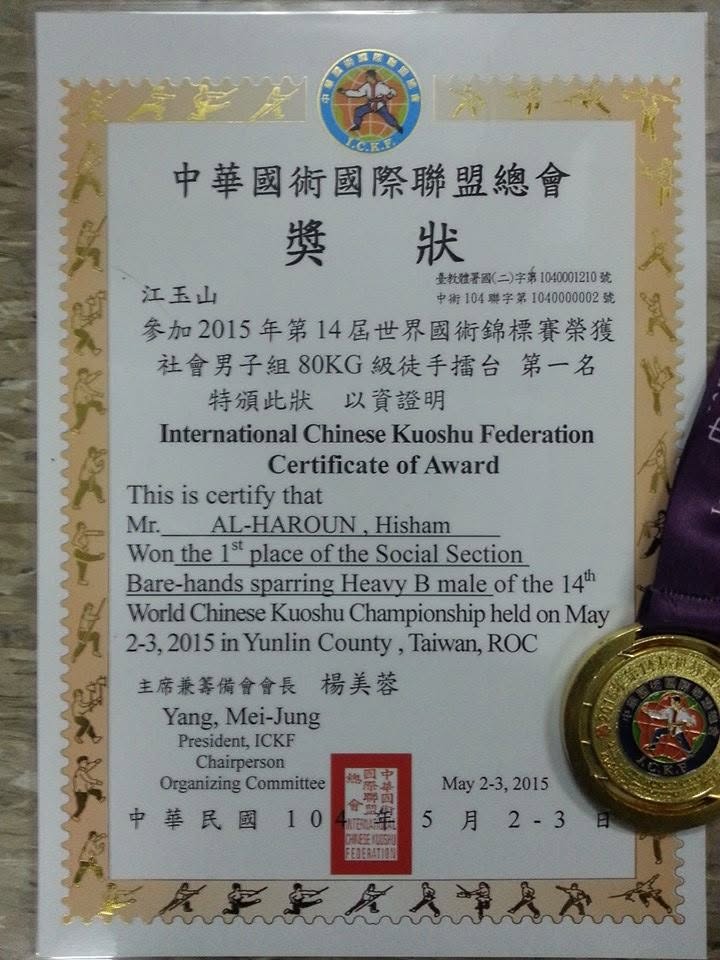
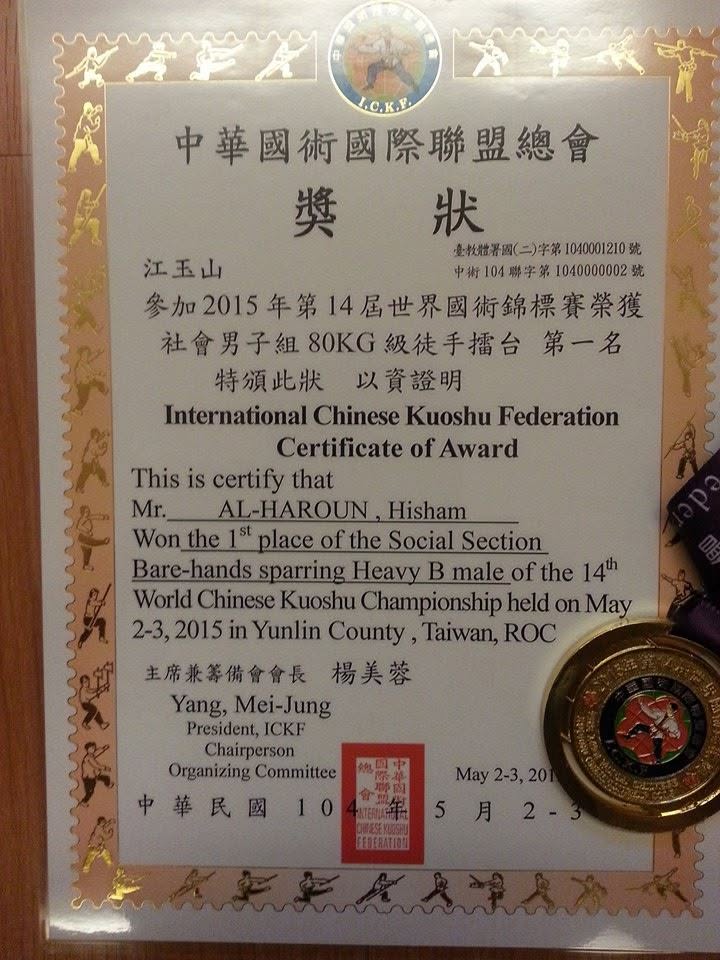
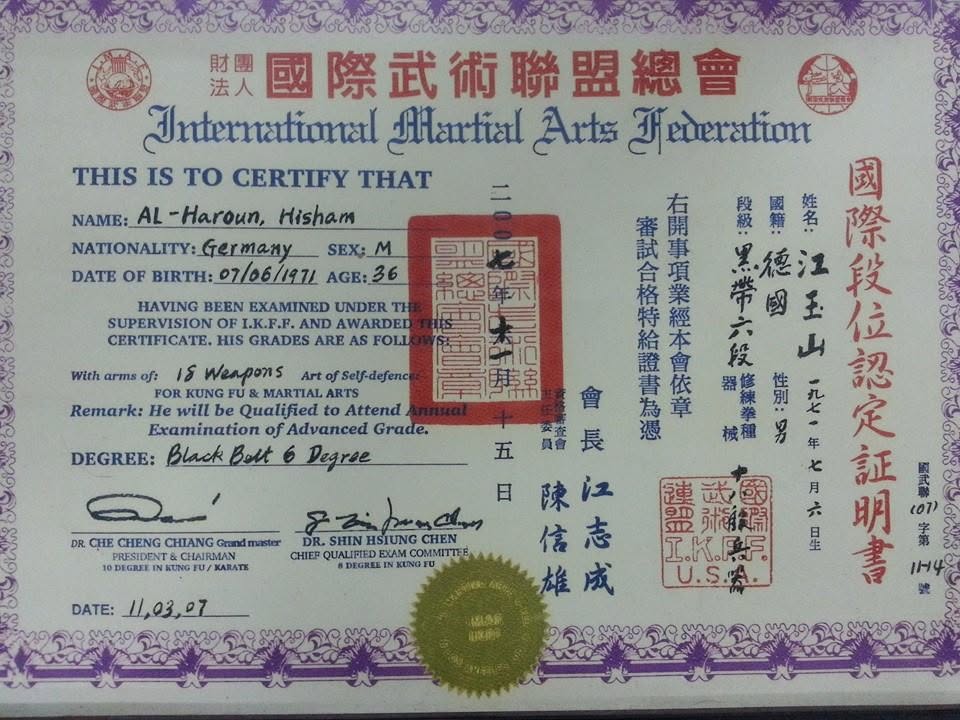
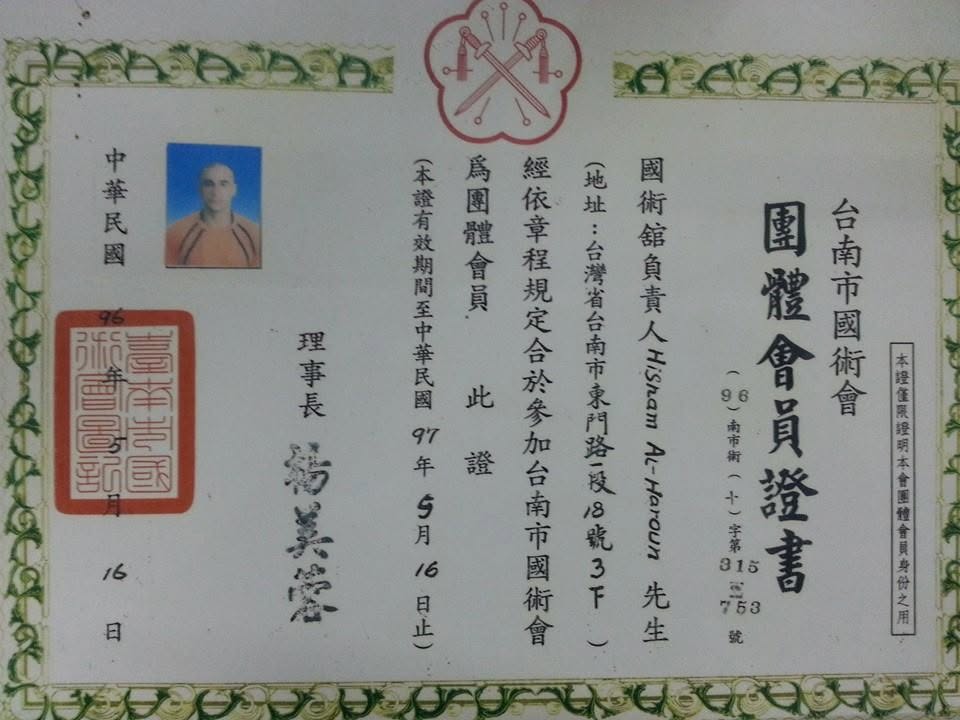
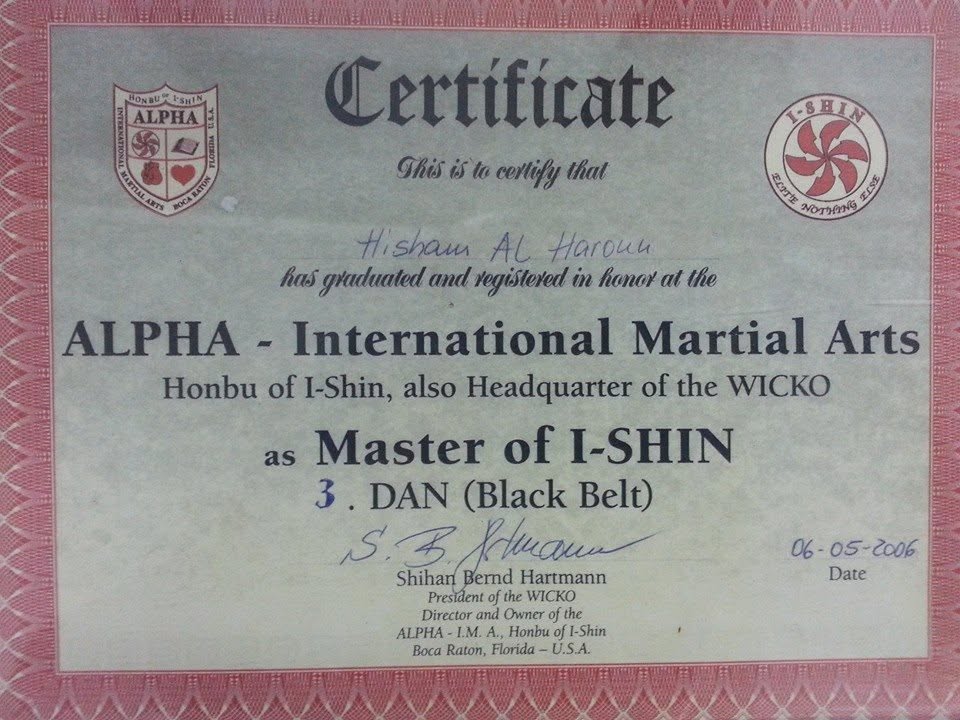
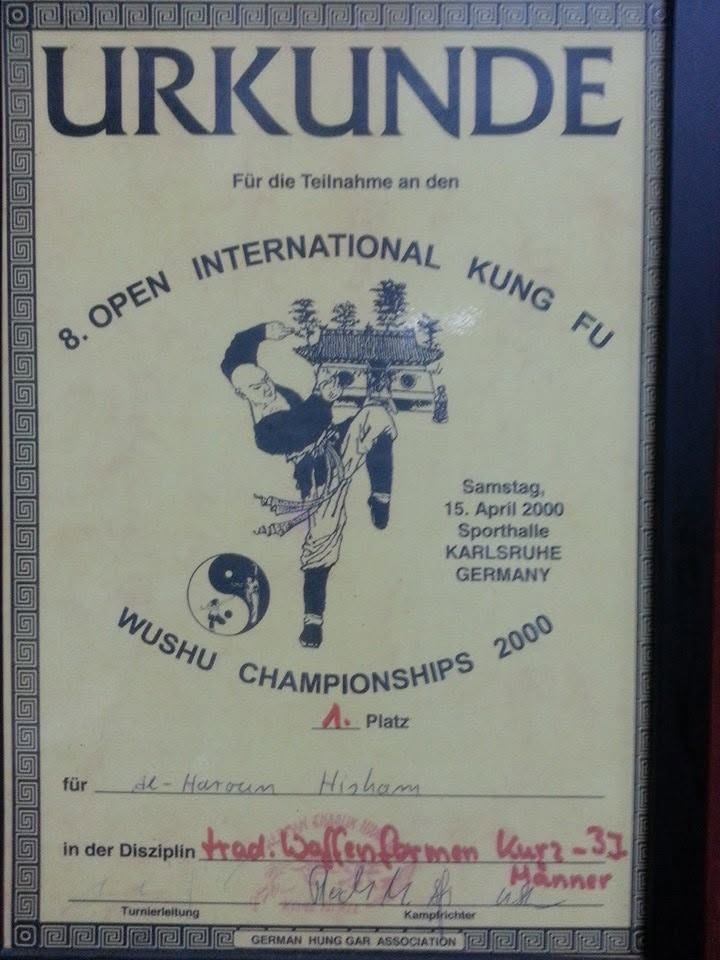
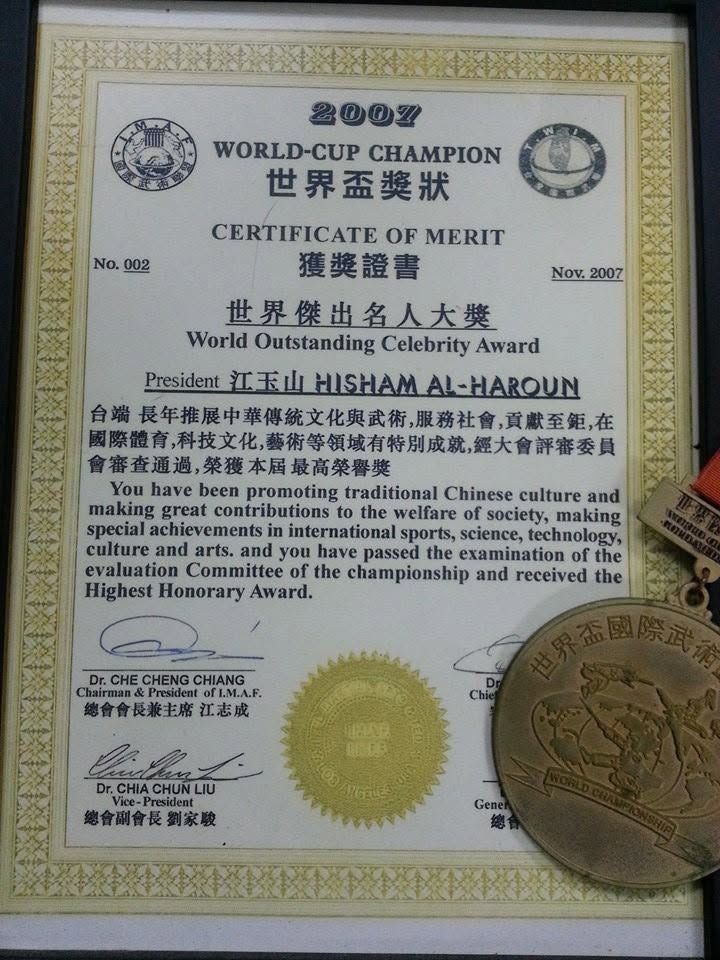
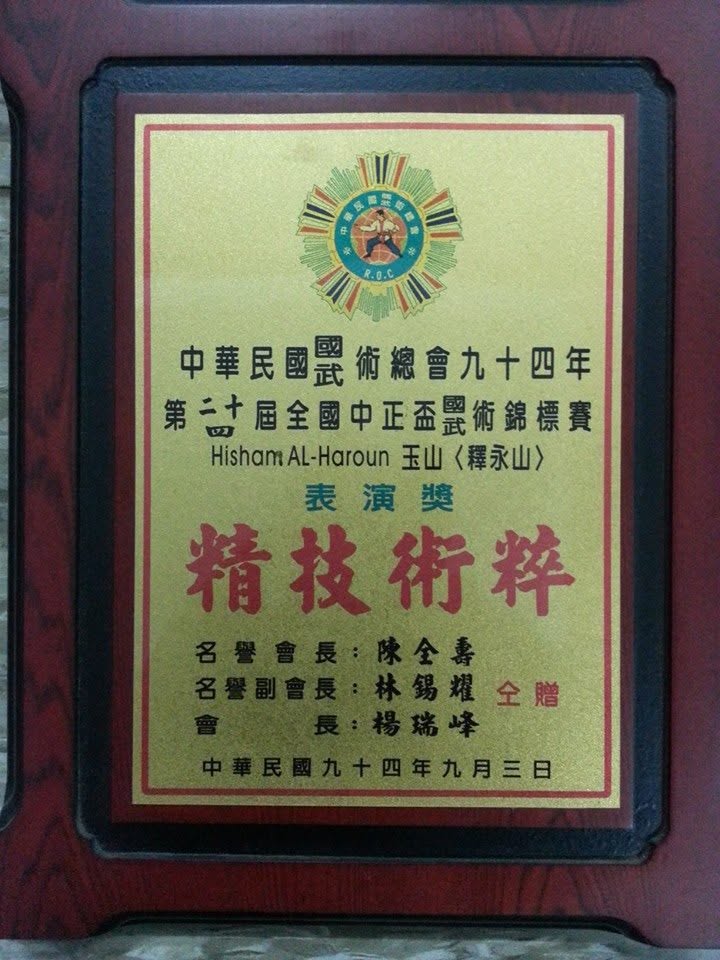
Member of National Taiwan Team in martial arts for 6 years.
Titles, certificates and recognitions across five decades. Scroll through the record.
scroll →
THE COMPLETE METHOD · 三位一體
The Trinity System
Xinyi · Taiji · Monkey Fist — three lifetimes of study, integrated into one.
THE COMPLETE METHOD · 三位一體
The Trinity System
☯ In the Master's voice
Gu Quan the trinity system include Xinyi, Taiji and monkey fist.
The Trinity System is an integrated form of martial arts combining Houquan, Xinyi and Taiji. It is a comprehensive system of attack and defence built on the basics of stability, sensitivity, agility and the efficient use of the body and the body's energy. It includes the skills of attacking acupuncture points (dimmak/dianxue), joint locking, bone striking, attacking muscles and tendons, blocking and controlling pressure points to effect blood circulation and emitting whole-body energy (fajing) at high speed and in continuous motion with one technique flowing into another, allowing no opportunities for counter attacks.
Houquan (monkey fist)
Monkey fist includes: Ti (Kicks). Da (Strikes). Shuai (Throws). Na (Grappling). Zhuang (Ramming). It is taught with an emphasis on:
1. Combat applications.
2. Physical fitness.
3. External body conditioning
This style employs long, middle and close range striking combinations and emphasizes mobility by throwing, rolling, use of bodyweight and fighting on the ground. The forms of monkey fist are a fast and versatile Yang-based martial art which keeps the body moving at all times.
Xinyi
Xinyi uses body structure and body mechanics to generate potent internal energy which can be used to "explode" from each posture and can easily take the initiative when attacking. Xinyi mostly uses linear motion, but includes some circular movements within the linear to create a soft harmonised strength.
Taiji
Taiji emphasizes internal training with a particular regard to relaxation, softness, sinking and stillness. It uses the mind and internal energy as a guide to conduct the body so firmness can be conquered by softness and action by stillness. While Taiji emphasizes the softness, firmness is created from it. Xinyi and Taiji are both Yin-based martial arts which are slow, stable and quiet, making them flexible and smooth when reacting to attacks.
In the Trinity System, an attack is accomplished through the emptiness of Taiji, the straight explosive path of Xinyi and the fast, versatile combative skills of Houquan. By integrating the two opposite ends of the Yin-Yang spectrum into one movement, practitioners can generate power which will be invisible to the opponent until they feel it.
The Trinity System of Hou Quan Men (Monkey Fist Door) is held in high esteem by practitioners in martial arts circles because it consists of three systems which are each difficult enough to require a lifetime of study to master, but when combined allows all three to complement each other and produce skills that none of the systems possess on their own.
The Trinity system — Fundamental concepts
The main purpose of a great learning is to seek the real face of truth. We must clarify through thoughtful study and examine with an open mind. Chinese martial arts, extensive and profound, closely related to philosophy (including the principles of change between yin and yang as explained in the "Book of Changes"), humanism (including morality, education and artistry), physics (including principles of mechanics and machinery), and fighting techniques (including strategy and tactical skill) is a great system of knowledge, which combines martial techniques with scientific theories and practice.
"The trinity system" — The external and hard part of the human body forms the frame. The soft internal part, which connects with the breathing, forms the internal system. The mind, as the center, takes charge of the operation of the body. When the external frame and the internal energy are joined as one, there will be strength created from the transformation and transference of energy. If the operation is scientifically perfect, a plentiful elegance or radiance will naturally emerge. This is what is known as spirit. The mind is something abstract and used for rational thought. How to conduct the mind, so that it can be harmonized with the physical frame, is the primary concern of every practitioner. Let us begin with how to raise the mind from a basic stake standing posture.
The Trinity system includes three methods, three locks and three forms.
THE THREE METHODS
1. Application methods includes:
a) Mitt-Training
b) Bag-Training
c) Partner Sparring
2. Physical Conditioning includes:
a) Aerobic-Anaerobic conditioning
b) Power - Plyometric exercise
c) Flexibility - Calisthenics
3. External Body Hardening skills:
a) Arms / Fists
b) Legs / Shin
c) Chest / Back
THE THREE LOCKS are the:
a) Body-locks
b) Arm-locks
c) Leg-locks
THE THREE FORMS:
a) The Fighting Form
b) The Gymnastique Form
c) The Breathing Form
The Three Methods, The Three Locks and the Three Forms will be developed in three stages:
1.) The Fundamental Stage
2.) The Specializing Stage
3.) The Refining Stage
Enter the Mystical Realm of Gu Quan — The Trinity System: Xinyi, Taiji, and Monkey Fist
Within the depths of martial arts lies a mystical trinity known as Gu Quan, the embodiment of the sacred arts of Xinyi, Taiji, and Monkey Fist. This interconnected system transcends the boundaries of ordinary combat, delving into realms unseen by the naked eye. It is a sacred convergence of ancient wisdom, blending the harmonious flow of energy, the graceful precision of Taiji, and the awe-inspiring ferocity of Monkey Fist.
In the realm of Gu Quan, practitioners immerse themselves in the esoteric knowledge that spans generations. They harness the invisible currents of energy, manipulating the forces that bind the universe together. Through Xinyi, the practitioner learns to channel their inner power, exploding forth with each posture, their very essence igniting like a celestial fire. This artistry of motion, combining linear and circular movements, unleashes a harmonious strength that resonates with the cosmos.
Taiji, the embodiment of softness, unveils the secrets of stillness within motion. Within the tranquil depths of this art, the practitioner discovers the power of relaxation, sinking deep into the core of their being. Like a master of the internal currents, they navigate the ebb and flow of energy, transforming gentleness into firmness, and stillness into action. The art of Taiji allows one to transcend the physical, to become a vessel through which the energies of the universe manifest.
And behold, the Monkey Fist, a gateway to the primal forces of nature itself. It is a testament to the power of the wild, embodying the cunning agility of the monkey, and the raw ferocity of a raging tempest. Within the intricate forms of Monkey Fist, one finds kicks that dance like leaves on the wind, strikes that echo with thunderous might, and throws that tumble like cascading waterfalls. This ancient art, veiled in mystery, grants practitioners the ability to navigate the chaos of battle with unyielding grace.
In the Trinity System of Gu Quan, the realms of emptiness and explosiveness merge, birthing a power that lies beyond the comprehension of ordinary mortals. It is a dance of light and shadow, an interplay of yin and yang, where practitioners seamlessly flow from one technique to another, leaving no opening for counterattacks. It is a mystical fusion of energies, drawing upon the deepest wellsprings of power within.
Those who embark upon the path of Gu Quan enter a world where physical and spiritual realms intertwine. They become conduits for the celestial forces that shape existence, mastering the art of the invisible strike, and evoking awe in those who witness their ethereal prowess. Through the integration of Xinyi, Taiji, and Monkey Fist, practitioners unlock the true potential of the martial arts, transcending the limits of the physical form and stepping into the realm of the divine.
Welcome, brave seeker, to the mystical realm of Gu Quan, where the harmonious dance of energy and motion unveils the secrets of the universe. Embrace the unknown, for within it lies the path to enlightenment and the transformation of body, mind, and spirit.
The fifty years were not spent for their own sake. They were spent so that what
was received in Berlin, in the Bundeswehr, and in Tainan could be handed on —
shaped to the person who stands in front of him. The story is his.
The mastery, he insists, is yours.